

Share:
Media
January 2026
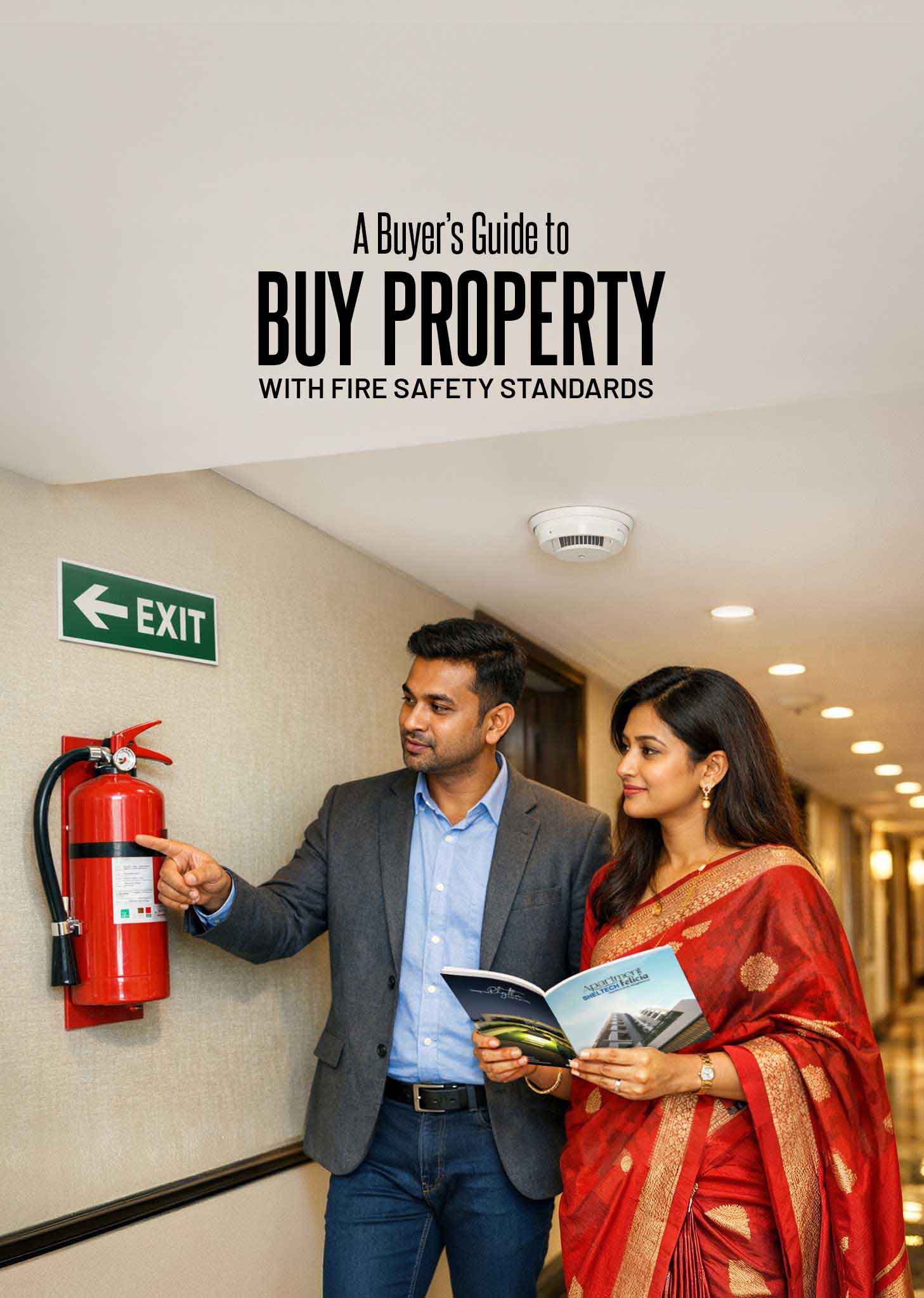
A Buyer’s Guide to Buy Property with Fire Safety Standards
Rapid urban growth in Bangladesh has increased fire risks in both residential and commercial buildings, especially in high-rise and densely populated areas. Recent incidents in various areas of Dhaka reveal serious shortcomings in planning, construction quality, maintenance, and fire-safety awareness, resulting in fatalities and large-scale evacuations. These tragedies show that choosing an apartment today is not only about location or amenities but equally about safety.
Compliance with Fire Safety Laws & Regulations
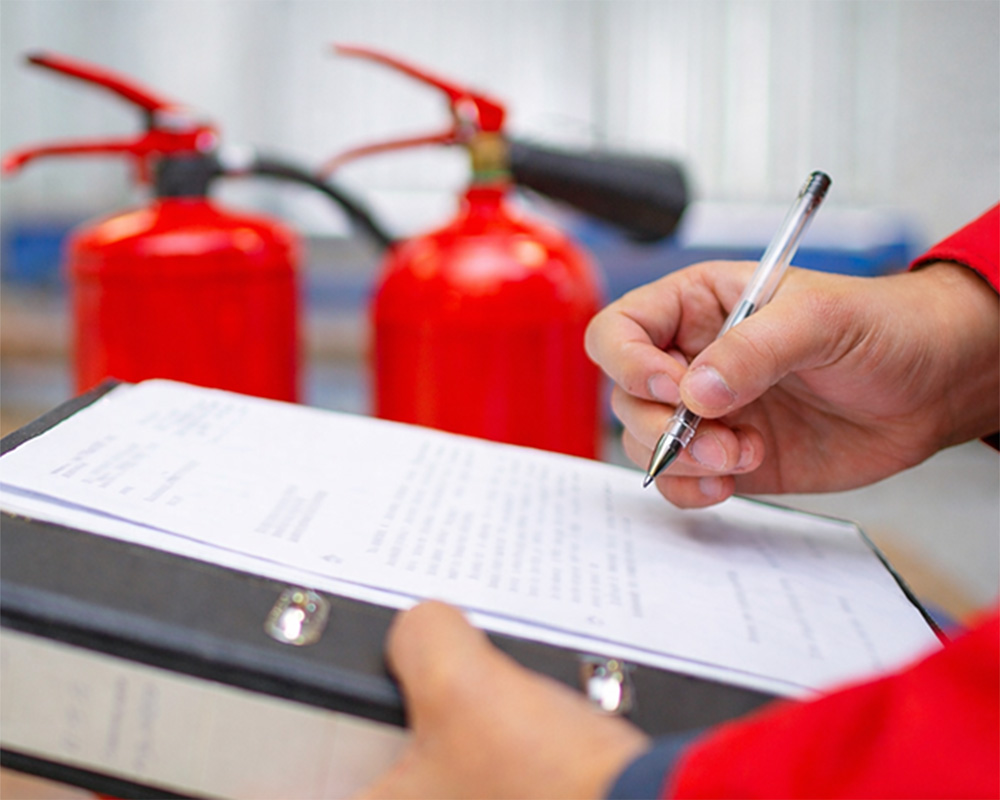
Several national regulations in Bangladesh govern fire prevention and building safety, including the Fire Prevention and Protection Rules (2014), Dhaka Metropolitan Building Construction Rules (2008), Bangladesh National Building Code (BNBC) 2006, and the guidelines of the Fire Service and Civil Defence. Many fire hazards arise from poor compliance with these standards. To ensure safety, all buildings must adhere to the measures outlined in these codes. Buyers should also verify RAJUK approval, confirm the presence of proper fire exits, staircases, and firefighting systems, and ensure that fire safety measures are maintained throughout construction and after handover.
Advanced Firefighting Systems & Essential Safety Features
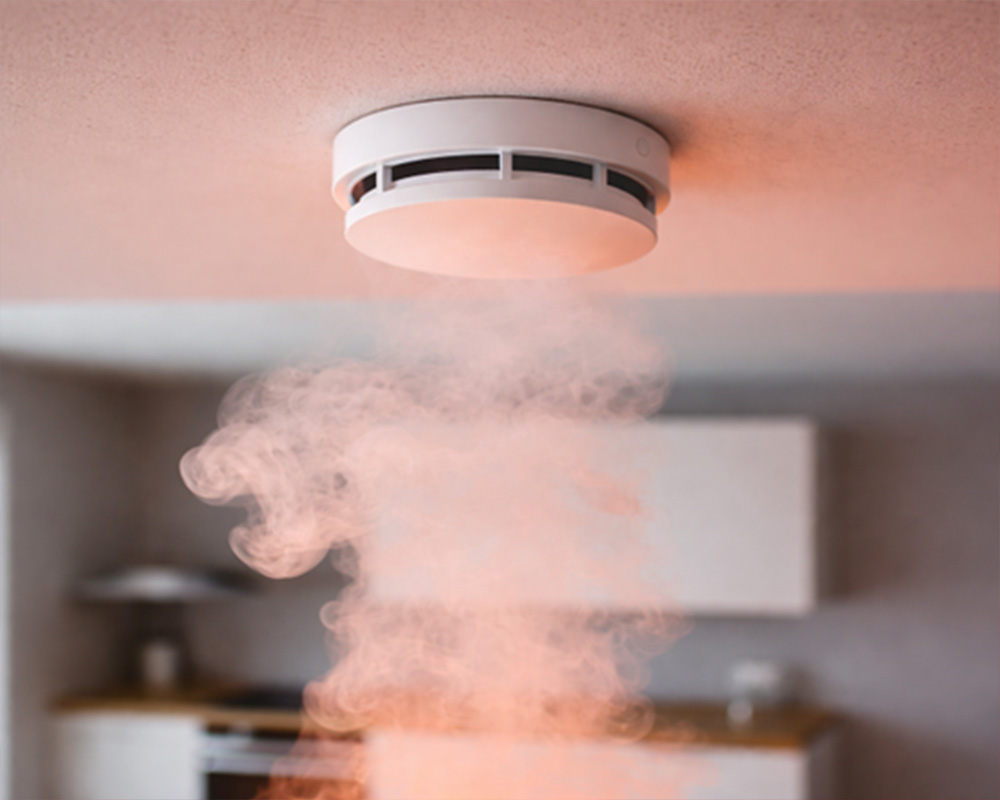
Fire safety should be a top priority in all residential and commercial projects. A well-equipped building must include fire hydrants, sprinklers, fire doors, extinguishers, PA systems or audio communication system for announcement during fire emergencies, and emergency lighting. Smoke and heat detectors with central alarms support early detection, while manual call points and anti-slip staircases with fire doors enable safe evacuation. These integrated systems help create a secure environment for both living and working.
Safe & Accessible Escape Routes
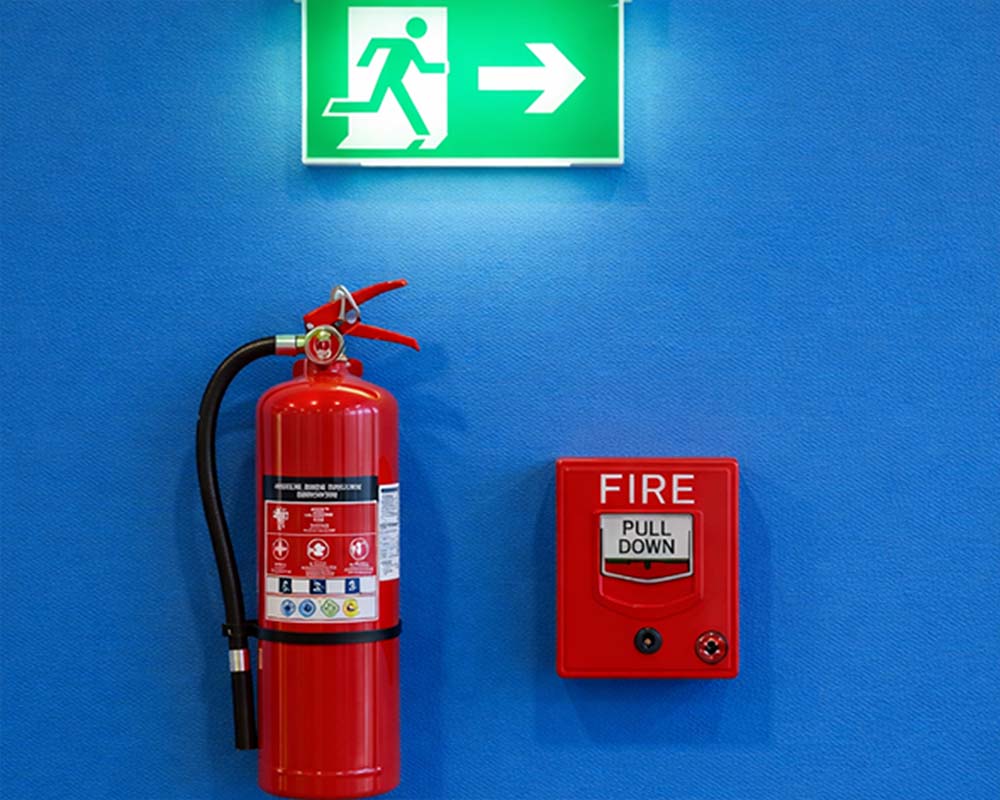
Even the best firefighting equipment is useless without safe evacuation. In commercial spaces such as hotels, conference centers, or shopping complexes, wide corridors, multiple stairwells, and clear signage are essential to move large numbers of people safely during an emergency. Fire-safe buildings require clear, well-designed escape routes. High rise apartments should have multiple staircases with fire-rated doors, non-slip finishes, and emergency lighting for visibility during power outages. Clearly marked exit signs guide residents, and staircases must be easily accessible from all floors and kept free of storage. Residents or visitors should be able to locate staircases quickly, as difficult-to-find exits can hinder evacuation. Properly planned routes ensure that in an emergency, occupants can exit safely, minimizing risk and complementing the building’s firefighting systems.
Location Planning for Faster Emergency Access
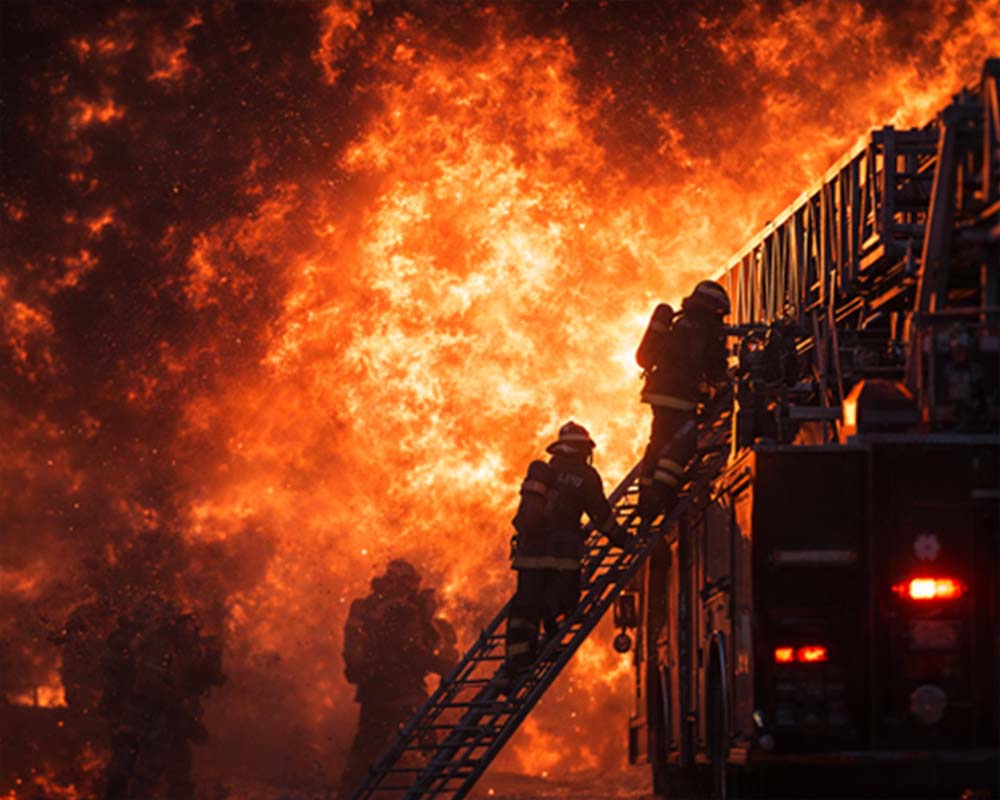
Narrow roads and congested building clusters often delay fire engines and rescue teams, making it difficult for firefighters to reach victims quickly. Parked vehicles, insufficient turning space, and tightly packed structures further worsen response time during emergencies. When choosing a property, buyers should look for properties that ensure wide internal roads, planned access routes, and adequate open spaces around buildings. Projects designed with emergency vehicle entry points and setback areas allow firefighters to operate effectively. Selecting a developer that prioritizes such planning can significantly improve rescue efficiency and save lives.
Fire Drills, Training, and Maintenance
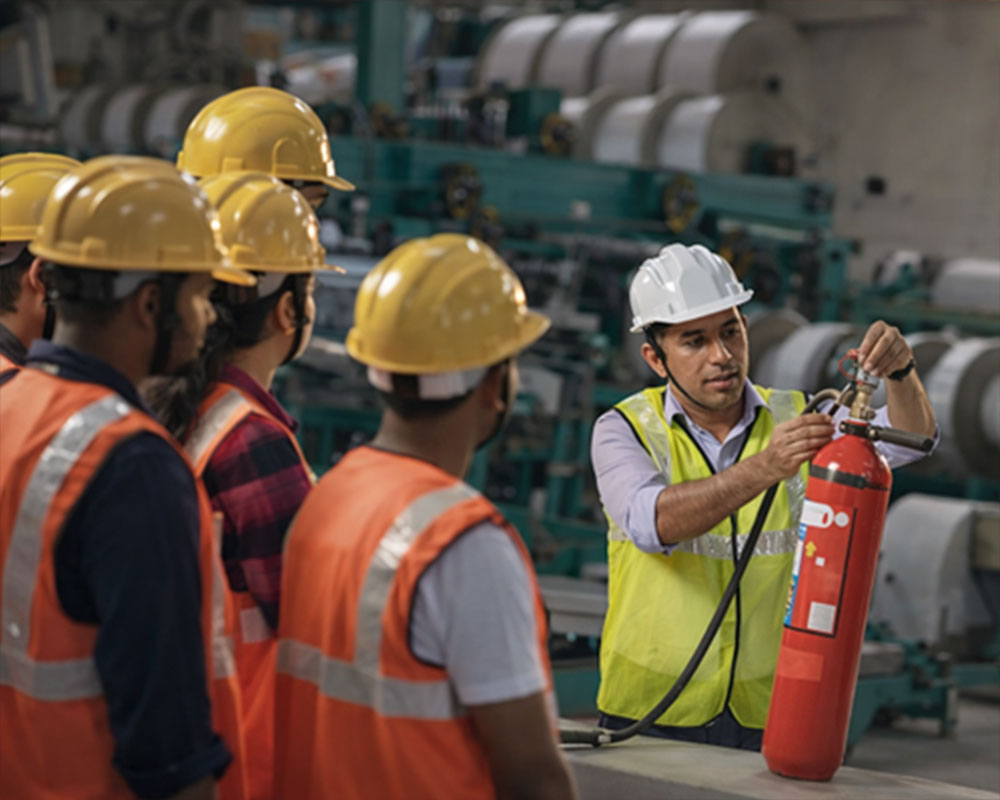
Infrastructure alone cannot ensure safety without informed occupants and trained staff. Fire drills familiarize residents and employees with evacuation routes, alarms, and emergency procedures, teaching safe practices like avoiding elevators during fires. Training also covers fire prevention, including safe electrical use, proper storage of flammables, and handling cooking appliances. Well-trained staff can assist residents, coordinate evacuations, and communicate with emergency services effectively. Prospective buyers should check if building management conducts regular drills or safety orientations, as these measures demonstrate a proactive approach to fire risk management and help protect lives in emergencies.
Developer’s Track Record & Reputation
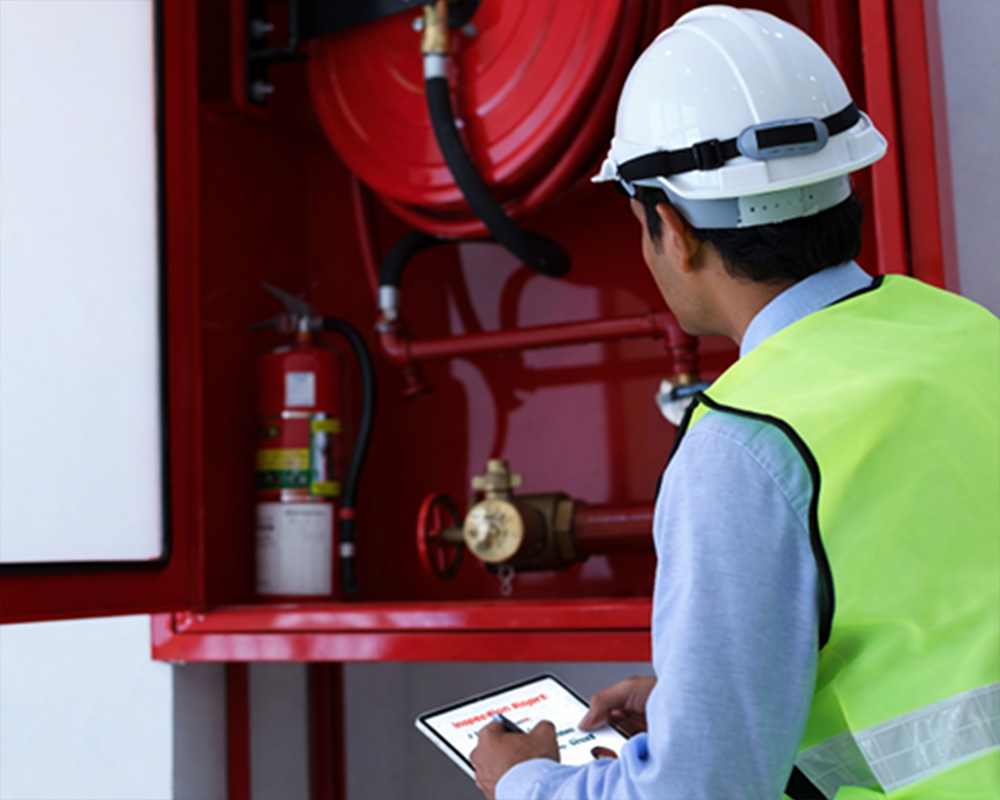
The reputation and track record of a developer can provide useful insight into how seriously safety is treated. Recognition from industry bodies or safety organizations can also indicate that properties have been evaluated for fire protection measures. However, buyers should still evaluate whether the developer consistently follows RAJUK and BNBC regulations, holds recognized fire safety certifications, maintains strong construction quality, and has built a solid reputation over many years. Sheltech (Pvt.) Ltd. holds decades of experience of maintaining these qualities. Sheltech Enclave Tower, for example, is designed with comprehensive fire safety systems. It includes modern detection, alarm, and firefighting equipment to ensure rapid response during emergencies.
Closing Remarks
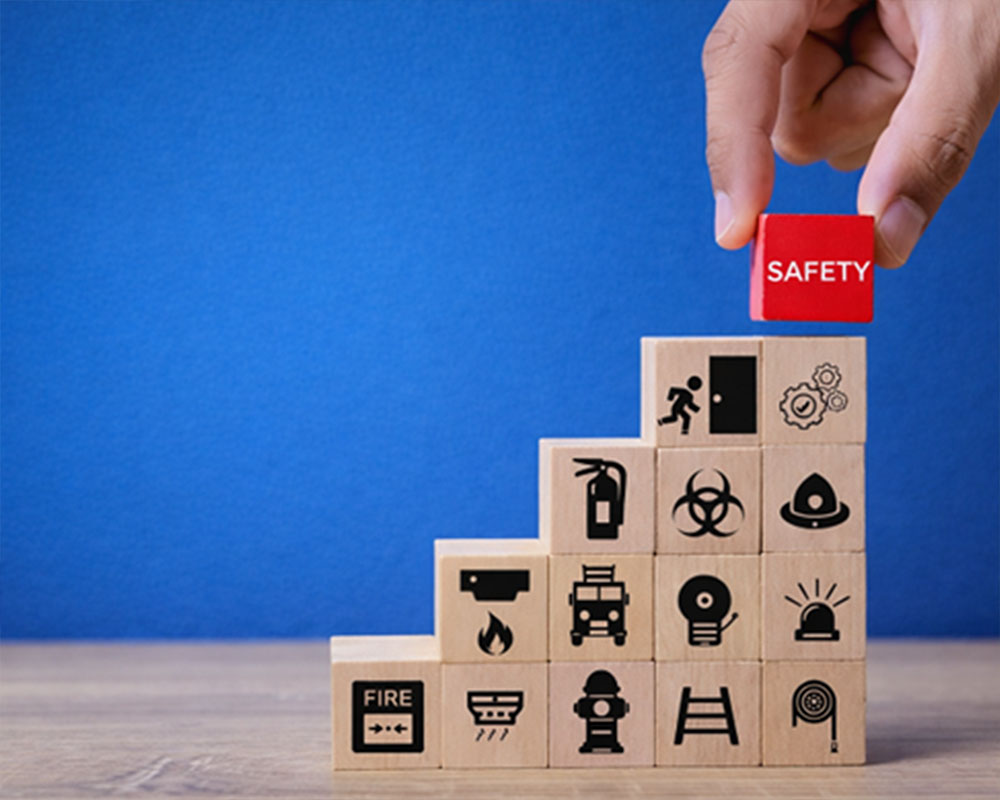
Fire safety in residential and commercial buildings is no longer optional—it’s a vital necessity. Fire tragedies reveal how poor planning, substandard construction, and limited or no safety awareness can have devastating consequences. Choosing a property where fire safety is prioritized, from strict compliance with regulations and smart design to advanced firefighting systems, clear escape routes, and regular drills, can make all the difference. Long-term protection is ensured through proper certification, ongoing maintenance, and a developer with a proven track record. These factors together turn a building from a potential hazard into a safe, secure home or workplace.
Frequently Asked Questions (FAQ)
1. What are the main fire safety features to check before buying an apartment in Bangladesh?
Check for fire hydrants, sprinkler systems, smoke and heat detectors, fire alarms, emergency lighting, fire-rated doors, and clearly marked escape staircases. Also, ensure whether the building follows BNBC guidelines.
2. Why is fire safety design important in high-rise residential & commercial buildings?
Good fire safety design helps control fire spread, supports quick evacuation, and reduces risk to lives and property during emergencies.
3. How can I verify whether a building complies with fire safety regulations?
You should ask for BNBC compliance documents, authority approvals, and fire safety certificates. Reputed developers usually maintain complete regulatory documentation.
4. What reasons are responsible for fire hazards in residential & commercial buildings?
Fire incidents usually happen due to electrical faults, gas leaks, improper storage of flammable materials, unsafe cooking practices, lack of fire safety awareness & training etc.
5. Do apartments with strong fire safety measures hold better long-term value?
Yes. Buildings with proper fire safety systems are considered more reliable, safer for residents, and often maintain better resale and rental value.